The Growing Irrelevance of Fossil Fuels
It is no longer a controversial thing to say that fossil fuels are becoming increasingly obsolete as a global source of energy. The rise of new technologies contributing to the generation of clean energy, together with mountains of evidence that fossil fuel reserves are not only causing irreparable damage to our planet’s environment, but that reserves are swiftly running out, means change needs to be accelerated. Recently, increased demand for energy post-pandemic, and extreme weather (including a colder-than-average winter in the northern hemisphere and hurricanes in the Gulf of Mexico) has caused a shortage in coal and natural gas, causing prices to rise by over 2000%. If humanity is serious about its long-term survival prospects, fossil fuels need to be gradually phased out of usage as we continue to develop technologies that harness the energy naturally generated by our planet to survive. After the release of the sixth IPCC, these facts are now irrefutable. Despite this evidence of fossil fuels becoming less efficient, global usage of fossil fuels has increased year on year, and if current trends continue and drastic action isn’t taken, we will cross a point of no return for our environment.
The Situation in China
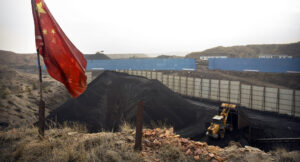
Chief among the governmental contributors to rising global CO2 levels is China, emitting a staggering 10.17 billion tonnes of CO2 in 2019 alone. Fossil fuels account for 70% of all China’s energy output, and while estimates for 2020 and 2021 are as yet unreliable, they are believed to be an increase from 2019. China has developed an image of a fossil fuel super-consumer, burning coal 24/7 in thousands of gigantic power plants all across the country. One would therefore assume that China produces more than enough energy for its sizeable population, but they have recently experienced issues in their power supply. Eight of China’s thirty-four provinces have experienced power shortages. The CCP has put pressure on primary industries in these regions to decrease their output to preserve power, and also is pressuring cities to reduce their consumption, with some resorting to turning off public lighting. Some of these regions are in the northern parts of the country, where winter temperatures regularly reach well below freezing. Many areas in these regions experience high levels of extreme rural poverty, and if access to power for warmth is denied to them to conserve energy nationally, many Chinese citizens will face a brutal winter.
China’s Fault?
This crisis was not unforeseeable, however. The aforementioned price rise in coal and gas has greatly contributed to China’s current energy predicament. This, as well as China’s reduction in coal mining industry, has led to the shortage. China experienced a 26 month low in coal production as a result of this policy. It is part of the CCP’s plan to make China carbon neutral by the year 2060, an ambitious plan for the world’s number one polluter, and expected to cost in excess of $15 trillion in investment in green technology. The extent of the crisis has been needlessly exacerbated by the CCP however, with a ban on Australian coal imports. This ban came after Australian Prime Minister Scott Morrison repeatedly suggested that there should be an independent investigation into the origins of the SARS-CoV2 virus that has caused the global pandemic. The CCP have a history of vehemently condemning any ideas regarding such action and, seemingly out of spite, have placed an unofficial ban on Chinese companies buying Australian coal. This has obviously damaged the Australian coal industry, as well as damaging the Chinese industries that rely on Australian coal, which is 25% cheaper than other sources of coal. Not only this, but Australia was China’s biggest coal supplier, and Chinese companies are now having to look elsewhere for their coal, at considerable cost. This has followed a trend of a steadily destabilising Sino-Australian relationship, with the Australian Government distancing itself further and further from China, and moving towards better relationship with western powers, shown by the recent AUKUS defence pact between Australia, the UK and the US. Australia has also accused China of interfering with Australian democratic processes, and challenged China’s controversial claims to the South China Sea.
Looking Forward
China’s energy crisis is not all China’s fault; there is an ongoing energy shortage as nations recover from the pandemic. However, the domestic decisions taken by the CCP have doubtless worsened the situation. The CCP seems to be preparing to tighten their belts as they predict this crisis to continue well into the future, with a deleted post from a government-owned power company stating that power cuts will become “the new normal”. China is not behaving in its own interests in regards to its energy sector. The push to become carbon-neutral is a global initiative, and if China continues to needlessly deteriorate its existing relationships in the energy sector, it will fall behind, which our environment can ill afford.
stay safe
/e